Pool of Remembrance
The Pool of Remembrance is bordered by a stepped weir
giving its edge a small waterfall. The water feature
is encircled by a walkway, more than two dozen trees
and seven benches for visitors to rest and reflect on
the price paid by the United States and its allies
during the war.
Facts
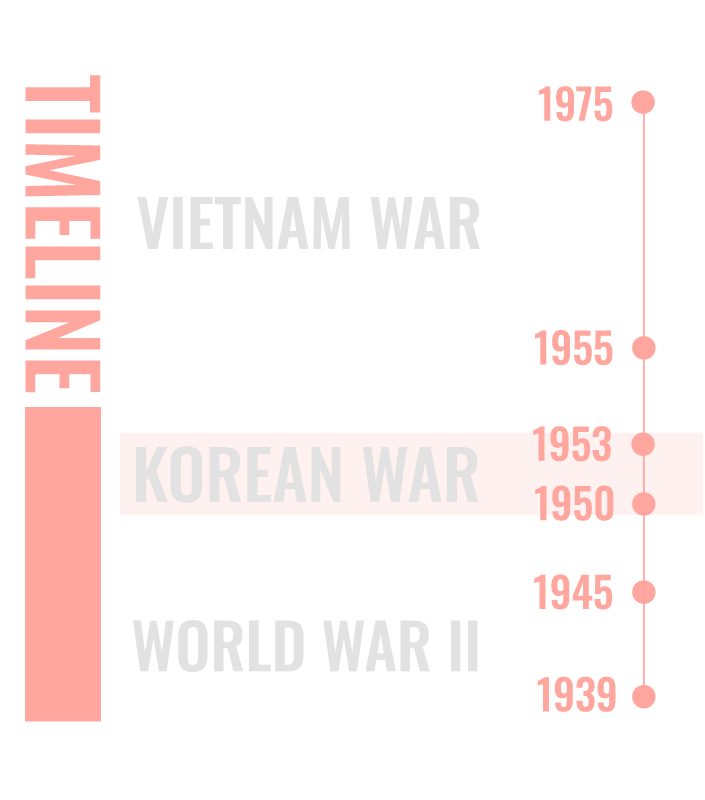
The Korean War is sometimes referred to as “The
Forgotten War” because of its place in the timeline of
U.S. history — between World War II and the Vietnam
War.
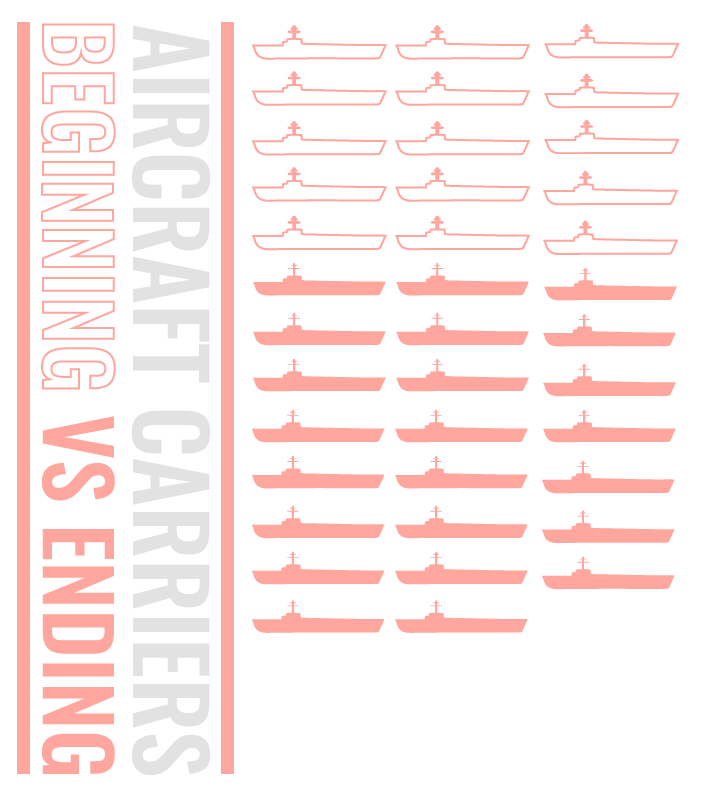
The Korean War proved the value of the aircraft
carrier in the nuclear age. The U.S. Navy began the
war with 15 active carriers and ended it with 38 in
service.
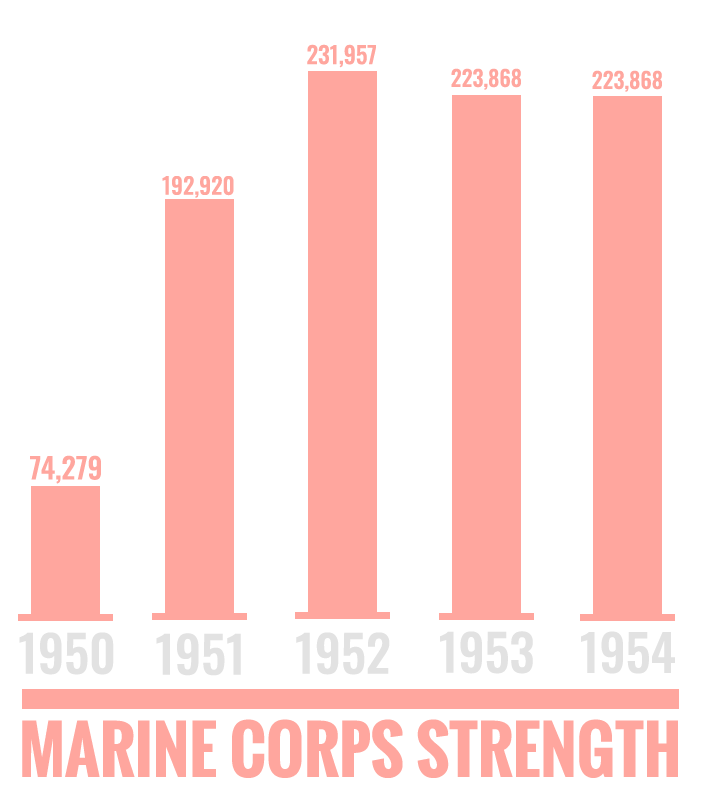
The war emphasized the importance of maintaining the
Marine Corps as a ready striking force. The Corps
emerged from the Korean War with the largest sustained
peacetime strength in its history.
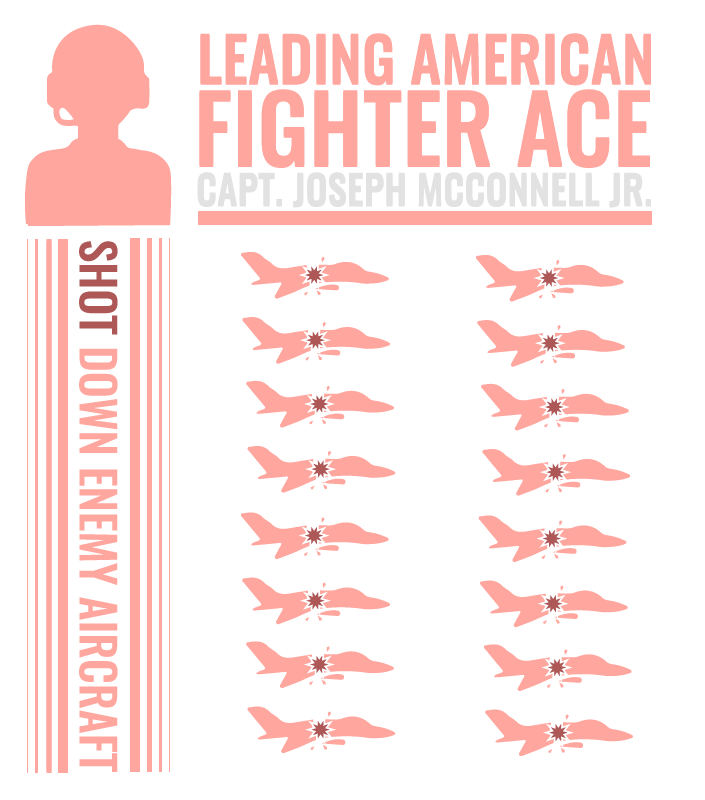
The leading American fighter ace during the Korean War
was Capt. Joseph McConnell Jr., who shot down 16 enemy
aircraft in just over four months of flying. Many of
the Air Force’s best pilots in Korea, including
McConnell, were veterans of World War II. McConnell
survived the war but was killed testing a fighter jet
in 1954.
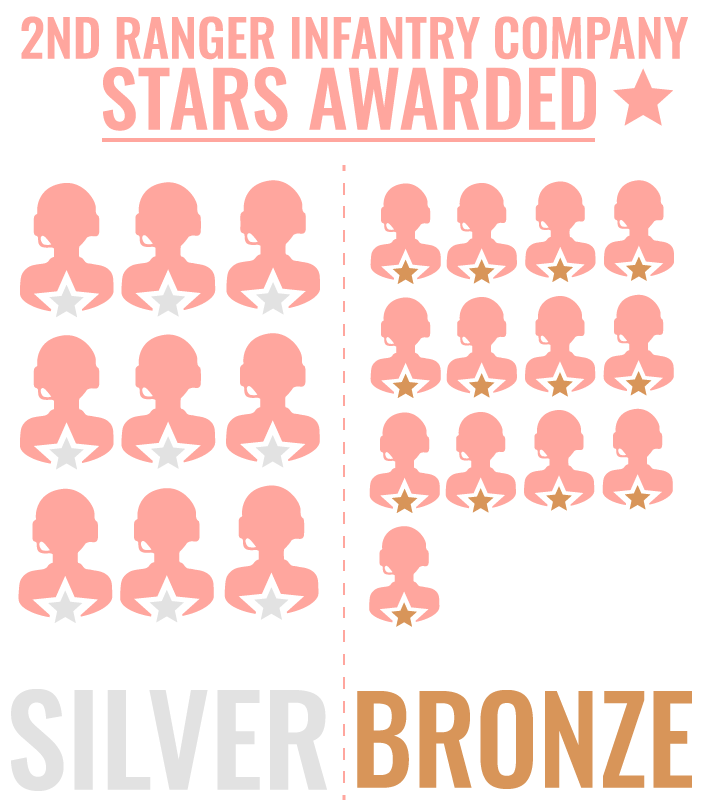
The 2nd Ranger Infantry Company (Airborne) was the
Army’s only all-Black Ranger company to serve in the
Korean War. Arriving in Korea in December 1950, the
company endured a winter with subzero temperatures and
saw intense combat, suffering many casualties. Nine
men received Silver Stars and 13 others were awarded
Bronze Stars with Valor.
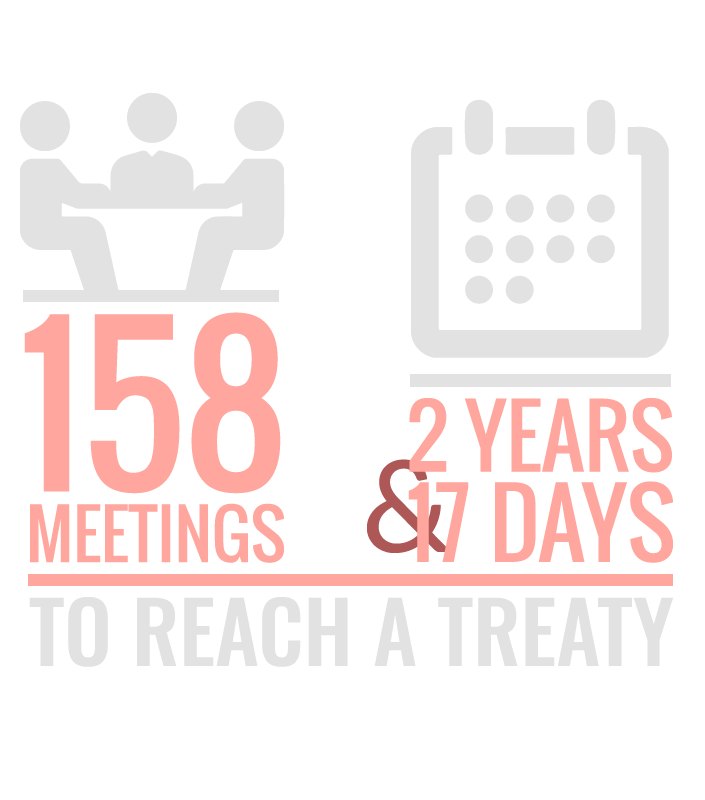
Negotiations to reach a treaty ending the Korean War
were the longest in history — including 158 meetings
spread over two years and 17 days. The armistice was
signed on July 27, 1953.